

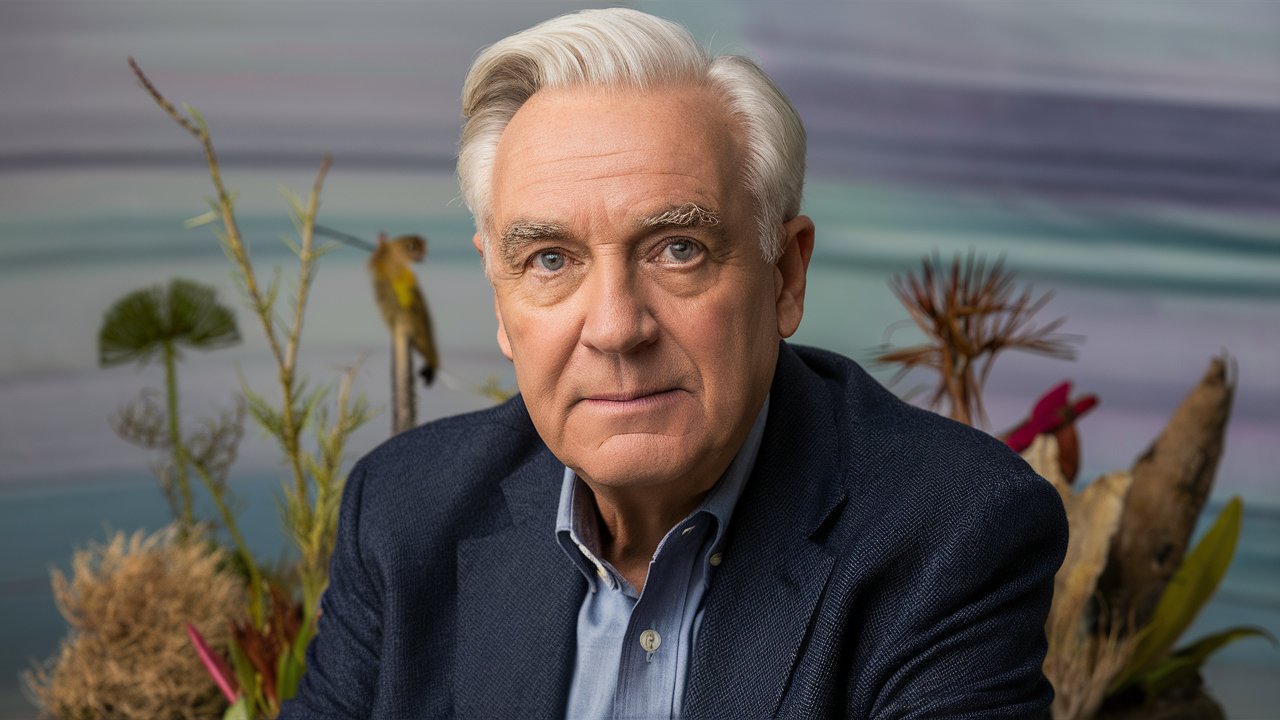
Robert Attenborough is a distinguished figure in the fields of anthropology, human biology, and environmental conservation. As a member of the renowned Attenborough family, his contributions extend beyond academia into the broader understanding of human evolution, genetics, and the relationship between humans and their environment. His work has influenced generations of researchers and conservationists, bridging the gap between scientific inquiry and public awareness.
Early Life and Education
Robert Attenborough was born into one of Britain’s most respected families known for their contributions to film, science, and environmental advocacy. Growing up in an intellectually stimulating environment, he developed a deep curiosity about the natural world and humanity’s place within it. His early education fostered a passion for biology and anthropology, leading him to pursue advanced studies in human evolution and genetics. His academic journey was marked by a commitment to understanding how humans adapt to their environments and how cultural and biological factors intertwine in shaping societies.
Academic Career and Research Contributions
Robert Attenborough’s academic career has been defined by rigorous research and a dedication to teaching. As a professor of biological anthropology, he has conducted extensive studies on human populations, focusing on genetics, health, and adaptation. His research often explores how environmental pressures influence human biology, particularly in isolated or indigenous communities. Through his work, he has contributed to a deeper understanding of human diversity and the evolutionary processes that continue to shape modern populations.
In addition to his research, Robert Attenborough has been an influential educator, mentoring students and promoting interdisciplinary approaches to anthropology. His publications and lectures have inspired new generations of scientists to explore the connections between biology, culture, and environment. His emphasis on ethical research practices and respect for indigenous knowledge has also set a standard for responsible scientific inquiry.
The Attenborough Family Legacy
The Attenborough family is synonymous with excellence in science, art, and environmental advocacy. Robert Attenborough’s father, Richard Attenborough, was a celebrated actor and filmmaker, while his uncle, Sir David Attenborough, is one of the world’s most beloved naturalists and broadcasters. Within this family of achievers, Robert has carved his own path in academia, contributing to the scientific understanding of humanity and its relationship with nature.
His work complements the broader Attenborough legacy by emphasizing the importance of scientific knowledge in addressing global challenges such as climate change, biodiversity loss, and cultural preservation.
Contributions to Conservation and Environmental Awareness
Beyond his academic pursuits, Robert Attenborough has been an advocate for environmental conservation and sustainable development. His research often intersects with ecological issues, highlighting how human health and survival are linked to environmental stability.
His involvement in conservation initiatives reflects a belief that science should serve humanity and the planet. Through public lectures, collaborations, and research projects, he has emphasized the role of education in fostering environmental responsibility. His work continues to inspire both scientists and the general public to engage with pressing ecological issues.
Influence on Modern Anthropology
Robert Attenborough’s influence extends across multiple disciplines, from anthropology and genetics to environmental science. His research methodologies and interdisciplinary approach have shaped modern anthropological studies, encouraging collaboration between biological and social sciences. By integrating genetic data with cultural analysis, he has helped redefine how researchers study human populations and their evolutionary trajectories.
His contributions have also advanced the understanding of health disparities, adaptation, and the impact of environmental change on human societies.
Conclusion
Robert Attenborough stands as a prominent figure in the scientific community, embodying the Attenborough family’s enduring commitment to knowledge, discovery, and environmental stewardship. His research in anthropology and human biology has deepened the understanding of human evolution and adaptation, while his advocacy for conservation underscores the vital connection between humanity and nature.
Frequently Asked Questions
1. Who is Robert Attenborough?
Robert Attenborough is a British anthropologist and academic known for his research in human biology, genetics, and anthropology. He is also a member of the famous Attenborough family.
2. What is Robert Attenborough known for?
He is recognized for his contributions to the study of human evolution, population genetics, and the relationship between humans and their environment.
3. How is Robert Attenborough related to Sir David Attenborough?
Robert Attenborough is the nephew of Sir David Attenborough, the renowned naturalist and broadcaster.
4. What are Robert Attenborough’s main research interests?
His research focuses on human adaptation, genetics, health, and the interaction between biological and cultural factors in human populations.
5. What is the legacy of the Attenborough family?
The Attenborough family is celebrated for its contributions to science, film, and environmental advocacy, with each member playing a unique role in promoting knowledge and conservation.
6. How has Robert Attenborough influenced modern anthropology?
Through his interdisciplinary research and teaching, he has advanced the understanding of human diversity, evolution, and the impact of environmental factors on human societies.
7. What role does Robert Attenborough play in conservation?
He advocates for sustainable development and environmental awareness, emphasizing the connection between human well-being and ecological balance.
8. Why is Robert Attenborough important today?
His work remains relevant in addressing global challenges such as climate change, health disparities, and cultural preservation, making him a key figure in contemporary science and conservation.