

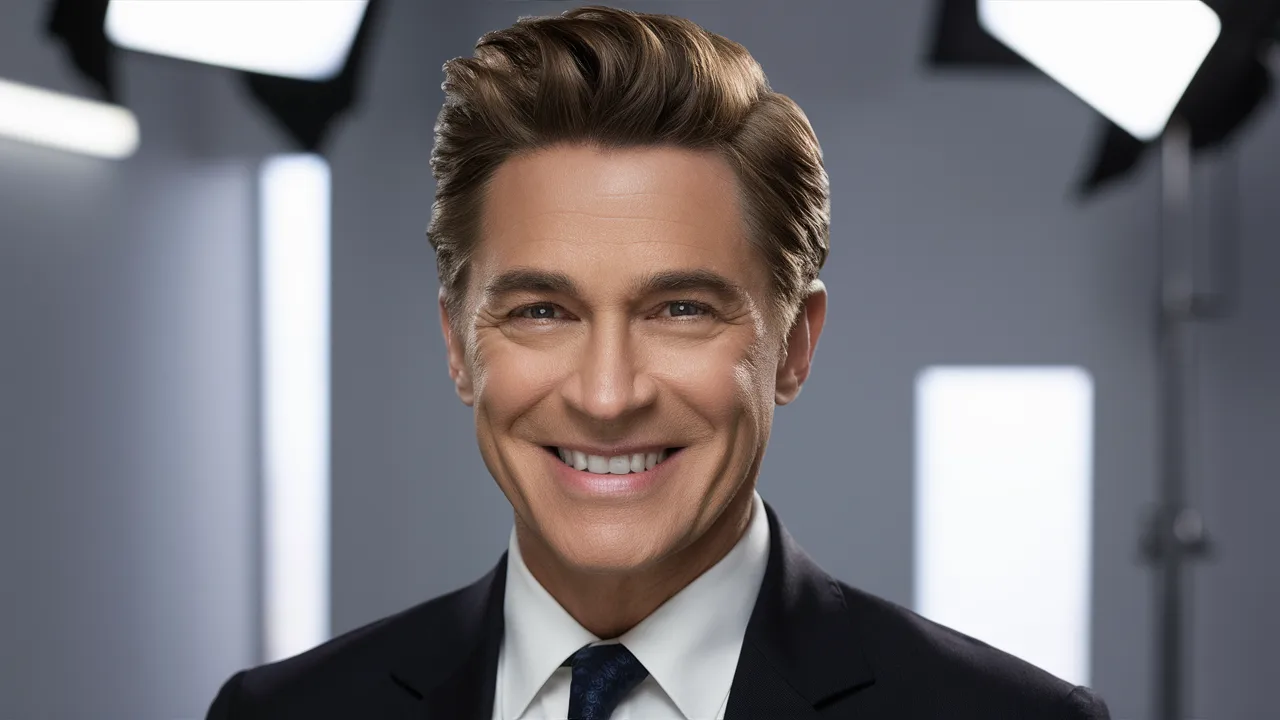
The keyword charlie kirk smile is often searched by users trying to understand how public figures are perceived beyond their spoken words. In the case of Charlie Kirk, his public appearances, debates, and media interactions have drawn attention not only for his political commentary but also for his facial expressions and communication style. In modern digital culture, even small aspects like a smile can become part of broader public discussion and interpretation.
When people search this term, they are usually not looking for a literal explanation of a smile, but rather trying to understand the public image, body language, and communication presence of a well-known political commentator. This article breaks down how nonverbal cues like smiling are interpreted in media environments, why they attract attention, and how they influence audience perception in political discourse.
Why Charlie Kirk’s Smile Attracts Public Attention
Public figures often become subjects of analysis beyond their spoken arguments, and this includes facial expressions such as smiling. The Charlie Kirk smile is frequently discussed in online commentary because audiences tend to interpret nonverbal communication as part of a broader narrative.
In political communication, expressions like smiling can be seen in multiple ways depending on audience perspective. Some interpret it as confidence or composure, while others may see it differently depending on context. This dual interpretation is common in media environments where visual cues are heavily analyzed.
According to communication studies, over 55% of audience perception in public speaking comes from nonverbal signals rather than spoken words. This means facial expressions, posture, and tone often carry more influence than the actual content of speech.
Have you ever noticed how the same expression can be interpreted differently depending on the viewer’s opinion? That is exactly why topics like “Charlie Kirk smile” gain search interest.
Charlie Kirk Public Image and Communication Style
The broader Charlie Kirk public image is shaped by his role as a political commentator and public speaker. In this environment, communication style plays a major role in how audiences interpret his presence.
As a frequent speaker in debates and public forums, his expressions—including smiling—are often analyzed alongside his arguments. This is not unique to him; it is a common phenomenon in modern media where body language becomes part of the narrative.
In high-pressure speaking environments, public figures often use controlled expressions to maintain composure and engage audiences. Smiling can serve multiple communication functions, including signaling confidence, reducing tension, or emphasizing rhetorical points.
Is body language more influential than spoken argument in public debates? Research in media psychology suggests that audiences often remember visual cues more strongly than verbal content.
Media Perception and Online Discussion
Media framing plays a significant role in how expressions like the Charlie Kirk smile are interpreted. In digital environments, short video clips, screenshots, and social media posts often isolate moments from their original context.
This can lead to multiple interpretations of the same expression. Some viewers may interpret a smile as confidence, while others may interpret it differently depending on political perspective.
According to digital media research, contextual removal increases emotional interpretation by nearly 40%, meaning viewers are more likely to form strong opinions based on isolated visuals rather than full speeches.
This is why discussions around public figures often focus on small details like facial expressions rather than entire arguments.
The Psychology Behind Smiling in Public Speaking
Smiling is a powerful nonverbal communication tool in public speaking. It can reduce audience tension, establish relatability, or reinforce confidence.
In the context of Charlie Kirk, smiling during public appearances may serve multiple psychological purposes depending on the situation.
Psychologists studying communication behavior note that smiling during debate does not always indicate emotion—it can also be a strategic communication technique.
Have you ever considered how much meaning we attach to something as simple as a facial expression? In reality, interpretation often depends more on audience mindset than speaker intention.
Contrasting Public Interpretations
One of the most interesting aspects of Charlie Kirk smile analysis is the contrast in interpretation across different audiences.
Some viewers interpret smiling as confidence and composure under pressure, while others may interpret it as rhetorical strategy or emotional signaling. This contrast is not unusual in political communication, where perception is often subjective.
In communication theory, this is known as “audience framing bias,” where the same visual cue is interpreted differently depending on prior beliefs.
Does the meaning of a smile come from the person expressing it, or from the audience interpreting it? This question lies at the heart of modern media analysis.
Role of Nonverbal Communication in Political Debate
Nonverbal communication, including facial expressions, plays a critical role in political debate. The Charlie Kirk smile becomes part of this broader communication system.
Body language helps reinforce spoken arguments, manage audience engagement, and control emotional tone during discussions. In competitive speaking environments, even small gestures can influence audience perception.
According to communication research, audiences form impressions within the first 7–10 seconds of visual exposure. This makes expressions like smiling an important part of public image formation.
Why Small Details Become Big Search Trends
Search interest in terms like “Charlie Kirk smile” reflects a broader digital behavior pattern: micro-moment curiosity.
People often search for:
- facial expressions
- tone of voice
- debate reactions
- short video moments
These micro-searches reflect how audiences consume political content in fragmented formats.
Is this a sign that attention spans are shrinking, or that visual communication is becoming more dominant? Many researchers suggest it is a combination of both.
Conclusion
The Charlie Kirk smile is not just a literal facial expression—it is part of a broader conversation about public perception, media framing, and nonverbal communication in modern political discourse. In the case of Charlie Kirk, his public appearances are interpreted through both spoken arguments and visual cues, making even small expressions part of wider discussion.
Understanding this keyword requires looking beyond surface-level meaning and into how audiences interpret behavior in digital media environments. Smiles, gestures, and expressions all become part of how public figures are understood in today’s fast-moving information landscape.
Frequently Asked Questions (FAQ)
What does “Charlie Kirk smile” refer to?
It refers to public attention and interpretation of Charlie Kirk’s facial expressions during speeches, debates, or media appearances.
Why do people search for Charlie Kirk smile?
People search it to understand his public image, communication style, or specific moments seen in videos and media clips.
Does a smile have meaning in political communication?
Yes, in public speaking, smiles can signal confidence, engagement, or rhetorical emphasis depending on context.
Is Charlie Kirk’s smile intentional in debates?
Public speakers often use controlled expressions, but interpretation depends on audience perception rather than confirmed intent.